
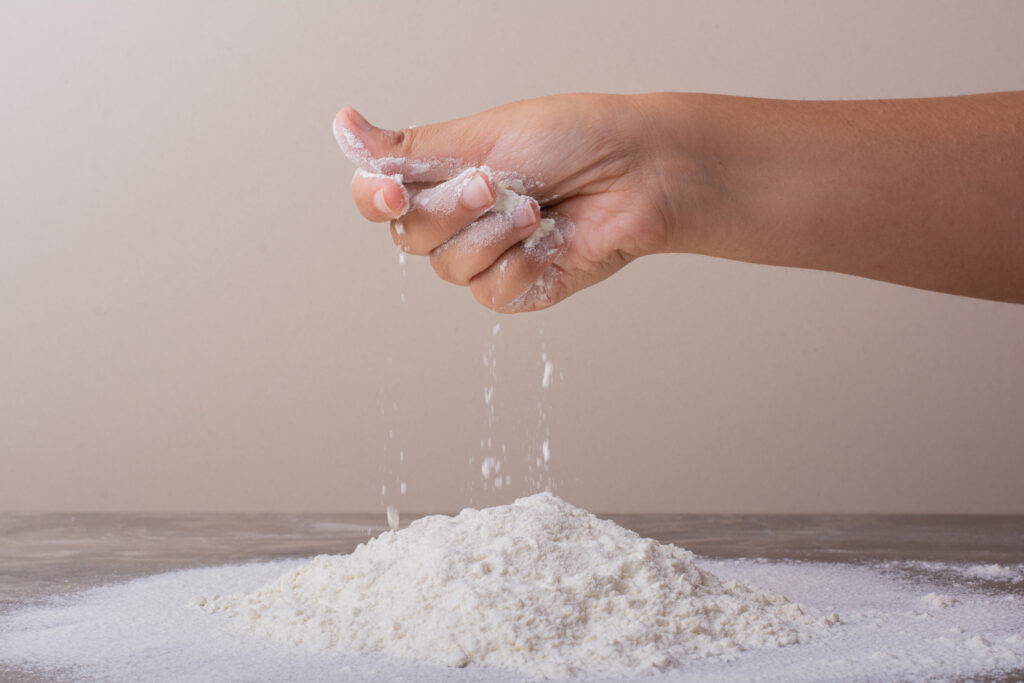
Talc, also known as soapstone powder, is a naturally occurring mineral that is widely used in various industries. It is composed of hydrated magnesium silicate and has a soft, smooth texture. Talc/soapstone powder has excellent properties such as high heat resistance, chemical inertness, low electrical conductivity, and lubricity.
The talc is known as “soapstone” is also widely used as a filler or lubricant. This soft rock is easily carved and has been used to make ornamental and practical objects for thousands of years. It has been used to make sculptures, bowls, countertops, sinks, hearths, pipe bowls and also used for Paints grade, cosmetic many other objects.
Here are some common applications of talc/soapstone powder:
- Cosmetics and Personal Care: Talc is widely used in cosmetics and personal care products such as baby powder, talcum powder, body powders, and facial powders. It is valued for its ability to absorb moisture, provide a silky texture, and improve the feel of the product on the skin.
- Pharmaceuticals: Talc is used in pharmaceutical formulations as a lubricant and glidant. It helps in the manufacturing of tablets by reducing friction and improving the flow properties of powders.
- Plastics and Polymers: Talc is used as a filler in plastics and polymers to improve their dimensional stability, stiffness, impact resistance, and heat resistance. It is commonly used in automotive parts, electrical appliances, and packaging materials.
- Ceramics: Talc is used in the production of ceramics, including porcelain, pottery, and tiles. It acts as a flux, helping to reduce firing temperatures and improve the overall processing and mechanical properties of ceramic products.
- Paints and Coatings: Talc is used in the formulation of paints, coatings, and primers. It provides smoothness, opacity, and matting effects, as well as improves the paint’s resistance to moisture, corrosion, and UV radiation.
- Paper and Pulp: Talc is added to paper and pulp products to enhance their smoothness, improve printability, and increase opacity. It also acts as a pitch control agent, reducing the adhesion of sticky substances to paper machinery.
Here are some key features and applications of dolomite powder:
- Composition: Dolomite powder contains varying proportions of calcium carbonate (CaCO3) and magnesium carbonate (MgCO3). The exact composition can vary depending on the source and processing methods.
- Uses in Agriculture: Dolomite powder is commonly used as a soil amendment in agriculture. It can help to raise soil pH levels and provide essential calcium and magnesium nutrients to plants. Dolomite powder can also improve soil structure and promote better water retention and drainage.
- Construction and Building Materials: Dolomite powder is used in the construction industry as a filler material and for producing cement and concrete. It can enhance the strength and durability of concrete mixes and contribute to better workability.
- Steel and Iron Production: Dolomite powder is used in the steel industry as a flux agent during the production of iron and steel. It helps to remove impurities and acts as a slag forming material.
- Ceramics and Glass Manufacturing: Dolomite powder is used in ceramics and glass production as a fluxing agent. It helps to lower the melting point of glass and ceramics and improves their strength and durability.
- Chemical Industry: Dolomite powder finds applications in the chemical industry for manufacturing magnesium salts, such as magnesium sulfate and magnesium hydroxide. These compounds are used in various industrial processes and products.
Here are some key features and applications of calcite powder:
- Composition: Calcite powder is primarily composed of calcium carbonate. It may also contain small amounts of other minerals and impurities, depending on the source and processing.
- Fillers and Extenders: Calcite powder is widely used as a filler and extender in various industries. It is added to paints, coatings, plastics, rubber, and paper to enhance their properties, improve texture, and reduce costs.
- Construction Materials: Calcite powder is used in the construction industry for producing cement, concrete, and mortar. It can act as a filler and improve the workability, strength, and durability of these materials.
- Pharmaceuticals and Nutraceuticals: Calcite powder is utilized in the pharmaceutical industry as an ingredient in antacids, dietary supplements, and calcium supplements. It provides a source of calcium and helps to neutralize stomach acid.
- Ceramics and Glass Manufacturing: Calcite powder is added to ceramic and glass formulations as a fluxing agent. It lowers the melting point, improves transparency, and enhances the properties of ceramics and glass products.
- Agriculture and Soil Amendment: Calcite powder is sometimes used in agriculture as a soil amendment to adjust pH levels and provide calcium nutrients to plants. It can help neutralize acidic soils and promote healthy plant growth.
- Water Treatment: Calcite powder is utilized in water treatment processes as a pH adjuster and neutralizer. It helps to increase alkalinity and reduce acidity in water, making it suitable for various applications.
Steatite powder, also known as soapstone powder or talc powder, is a fine, white or light-colored powder derived from the mineral steatite. Steatite is a metamorphic rock composed primarily of talc, which is a hydrated magnesium silicate. It has a soft, soapy texture and is commonly used in various industries for its unique properties.
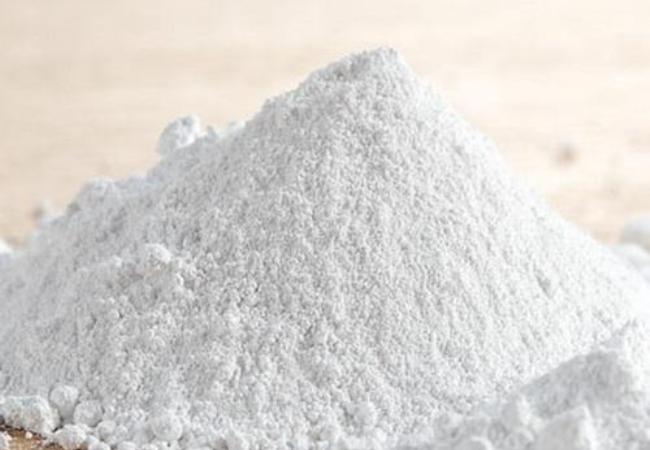
Here are some key features and applications of steatite powder:
- Composition: Steatite powder primarily consists of talc, with varying proportions of other minerals depending on the source and processing methods.
- Industrial Applications: Steatite powder has a wide range of industrial applications due to its properties. It is used as a lubricant, filler, and functional additive in various industries, including rubber, plastics, ceramics, paints, coatings, and adhesives.
- Electrical Insulation: Steatite powder is known for its excellent electrical insulating properties. It is used in the manufacturing of electrical components, such as insulators, electrical bushings, and circuit breakers.
- Heating Elements and Thermal Insulation: Steatite powder is used in the production of heating elements, resistance wires, and thermal insulation components. Its high heat resistance and low thermal conductivity make it suitable for these applications.
- Tableware and Kitchenware: Steatite powder is sometimes used in the production of tableware and kitchenware items, such as plates, bowls, and cookware. It provides a smooth, non-stick surface and retains heat well.
- Carving and Sculpting: Due to its softness and workability, steatite powder is also used by artisans for carving and sculpting purposes. It is often used in the creation of decorative items, figurines, and art pieces.
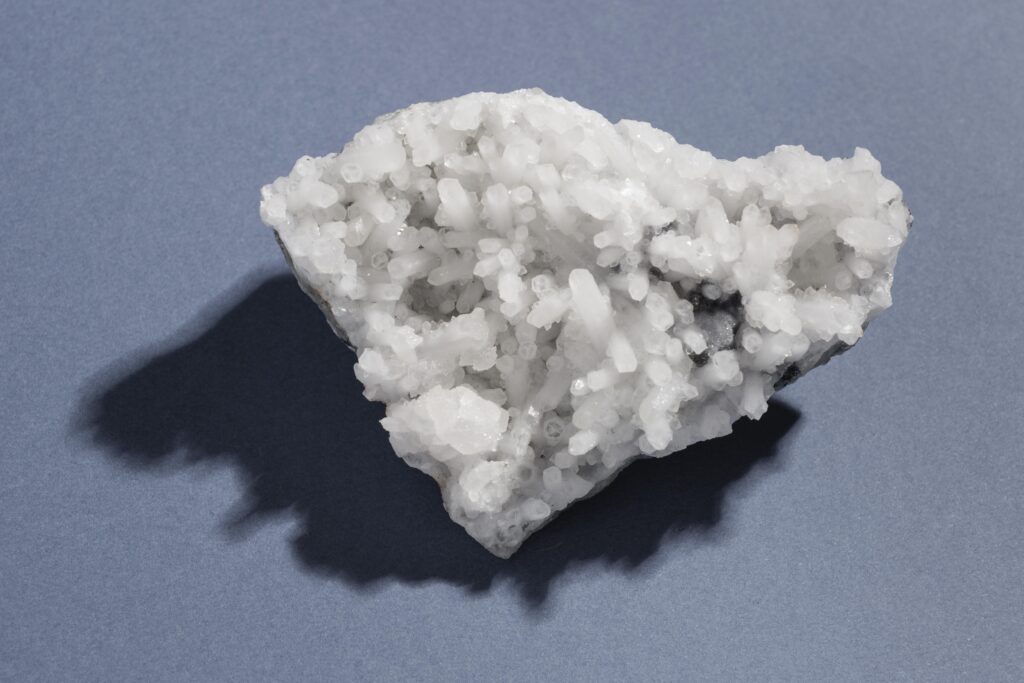
Talc soapstone lumps, also known as talc soapstone rocks or simply soapstone lumps, refer to natural mineral formations of talc or soapstone. Soapstone is a metamorphic rock composed primarily of talc, which is a hydrated magnesium silicate mineral. These lumps are typically larger pieces of the raw material extracted from quarries or mines.
Soapstone Powder is increasingly being used in the manufacture of art wares, jars, walls & floor tiles. It serves as a non-plastic ceramic material. Talc is also used as a food additive or in pharmaceutical products. In medicine, talc soapstone lumps is used as a pleurodesis agent to prevent recurrent pneumothorax. It possesses lubricating properties, high lustre, and sheen, chemical inertness, high fusion point, low conductivity to heat and electricity. The colour of the material varies from pure white to silvery white.
Here are some key points about talc soapstone lumps:
- Composition: Talc soapstone lumps consist predominantly of talc mineral with varying amounts of other minerals depending on the geological formation. The talc content in soapstone lumps can range from 50% to nearly 100%.
- Size and Appearance: Soapstone lumps can vary in size, ranging from small rocks to larger boulders. Their appearance can range from off-white to light gray or greenish in color, depending on the specific mineral composition.
- Industrial Applications: Talc soapstone lumps are utilized in various industrial applications due to their talc content. They serve as a raw material for processing into talc powder, which finds use in industries such as cosmetics, personal care products, plastics, paints, ceramics, and more.
- Carving and Sculpting: Soapstone lumps are highly valued by artisans and sculptors for their workability. Soapstone has a relatively soft texture, making it suitable for carving and sculpting into intricate designs and art pieces.
- Heat Resistance and Insulation: Soapstone is known for its excellent heat resistance and insulation properties. Therefore, soapstone lumps are used in applications requiring thermal stability, such as fireplaces, stoves, ovens, and countertops.
- Natural Decorative Stone: Soapstone lumps can also be used as decorative stones, either in their raw form or polished and shaped into various sizes. They can be incorporated into landscaping, garden design, and interior decoration.
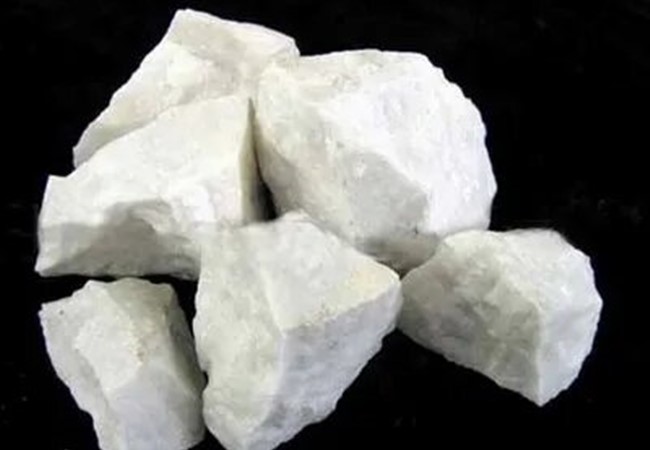
Dolomite lumps refer to natural mineral formations of dolomite, a sedimentary rock composed primarily of the mineral dolomite, which is a calcium magnesium carbonate. These lumps are typically larger pieces of the raw material extracted from quarries or mines.
Dolomite is one of the three most abundant carbonate minerals, calcite, and aragonite being the other two. Dolomite differs from calcite and aragonite in its crystal structure. In dolomite crystals, layers of carbonate ions alternate with layers of magnesium and calcium ions, rather than only having layers of calcium ions alternate with carbonate ions as in calcite and aragonite. Moreover, Dolomite lumps are slightly harder, denser and never forms scalenohedrons. The product resulting from this relatively low temperature & calcination is highly porous & re-active and is also known as calcinated dolomite. You can deal with best Dolomite Lumps Manufacturer in India.
Here are some key points about dolomite lumps:
- Composition: Dolomite lumps consist predominantly of the mineral dolomite, which is composed of calcium carbonate (CaCO3) and magnesium carbonate (MgCO3). The exact composition can vary depending on the specific geological formation.
- Size and Appearance: Dolomite lumps can vary in size, ranging from small rocks to larger boulders. They can have a variety of colors and textures, including shades of white, gray, brown, and pink.
- Industrial Applications: Dolomite lumps are used in various industrial applications due to their unique properties. They serve as a raw material for the production of dolomite powder, which finds use in industries such as construction, steelmaking, ceramics, glass manufacturing, and agriculture.
- Construction Materials: Dolomite lumps are commonly used in the construction industry. They are crushed and processed into various sizes for applications such as road base materials, concrete aggregates, and building stone.
- Steel and Iron Production: Dolomite lumps are utilized as a fluxing agent in the steel industry. They help remove impurities during the production of iron and steel and can improve the quality of the final product.
- Agriculture and Soil Amendment: Dolomite lumps are used as a soil amendment in agriculture. They can help raise soil pH levels, provide essential calcium and magnesium nutrients to plants, and improve soil structure.
- Decorative Stone: Large dolomite lumps can also be used as decorative stones in landscaping and construction projects. Their natural colors and textures can enhance the aesthetic appeal of outdoor spaces.